For U.S. hydrologists, water managers, and snow scientists, today marks the start of a new water year.
Running from October 1 to September 30 of the next calendar year, this 12-month period is what wonks use to track precipitation, the snowpack, and other aspects of our water supply.
If you’re keeping score at home, water years are named for the year in which they end, so we’ve just rung in 2027.
No, I didn’t stay up late last night to celebrate, but I do toast to wiping the slate clean after 2026’s historic heat and record snow drought in the American West.
What is a water year?
“It is not entirely clear when the concept of the water year was introduced,” a June 2026 study notes, adding that the term appeared in early hydrology textbooks in 1917 and 1919. “Although the concept of the water year is widely used, the rationale for choosing a certain date as the start of the water year is not always obvious.”
One key reason the water year differs from the calendar year is that it helps avoid splitting the snowy or wet season across two years.
“In many areas, snowfall begins in late fall and continues throughout the winter months, but in the northern hemisphere, it melts only in the next calendar year,” researchers wrote in Hydrological Processes. “By including the snow accumulation months in the water year, hydrologists ensure that the snow melts in the same water year as it fell.”
The study also notes that “in many regions, fall marks the transition from dry to wetter conditions due to decreasing evapotranspiration, increasing precipitation, or both.” Some scientists have argued that the typical period when water storage or streamflows reach their annual minimum would be a good indicator of when to turn the page on a water year.
While an October 1 start can make sense for the American West, other parts of the world use different calendars: the water year begins on April 1 in Chile, May 1 in Denmark, and July 1 in Australia.
The U.S. Geological Survey adopted the water year concept a century ago, according to a June 2025 study. That paper used streamflow data to develop customized “local water years” for 202 subregions in the contiguous United States.
The June 2026 paper I referenced above analyzed almost 3,000 catchments in Brazil, Germany, and the United States and reached a similar conclusion: “the ‘optimal’ definition of the water year varies widely across regions and often differs considerably from the official start of the water year.”
The Southwest’s wet September
Here in southern Colorado and across much of the Southwest, September was remarkably rainy, so a water year that featured headlines about dismal snowpack levels, shriveled streams, and depleted reservoirs ended on a soggy note.
At the snow.news HQ near Durango, my weather station recorded a stunning 8.02 inches of rain in September—the highest monthly total since we moved here more than five years ago. On September 17, we received 2.03 inches over 24 hours, and the relative humidity never dropped below 97%. In recent days, the persistent fog made it feel like I was on the coast of the Olympic Peninsula. Creeks that were dry for months during the summer are now running.
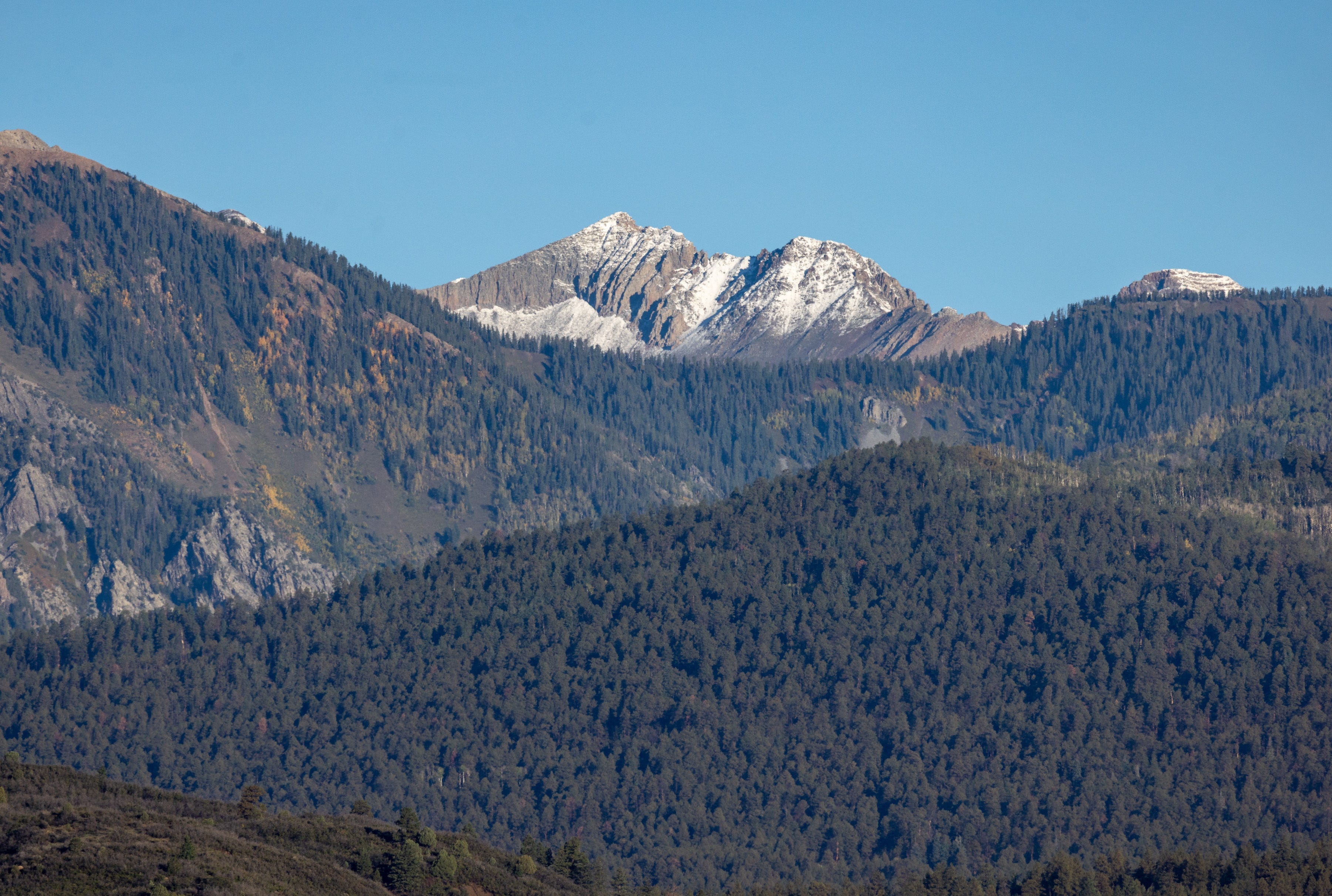
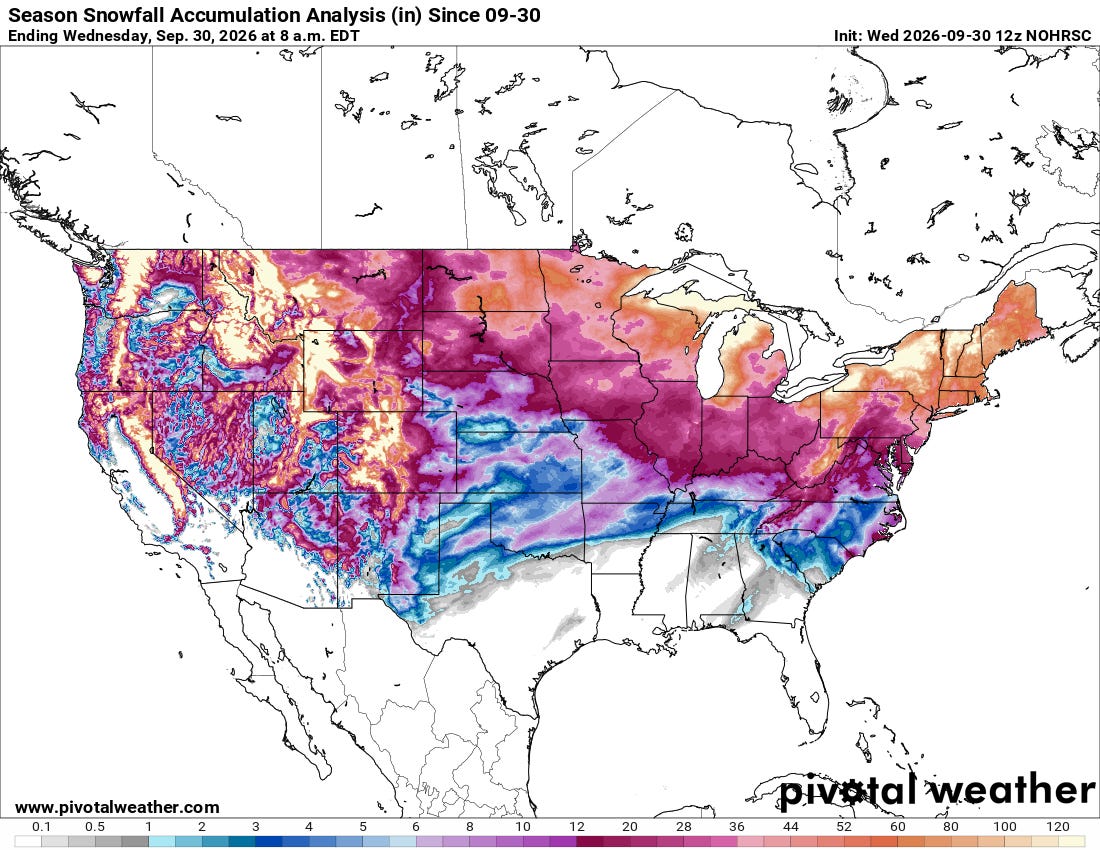
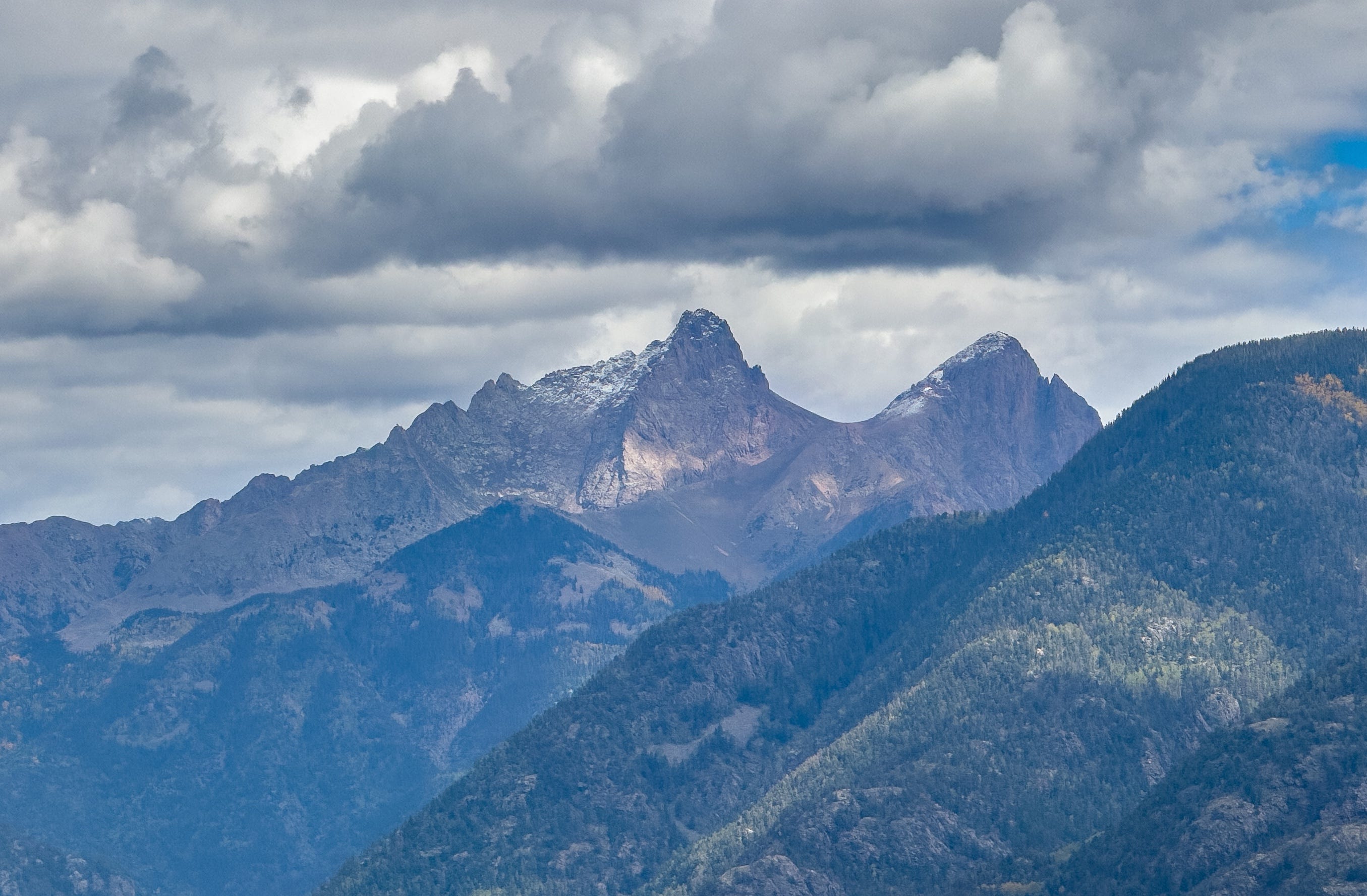
All that September rain will count toward water year 2026, but its effects will certainly carry on into the new year that begins today, illustrating the challenge of demarcating water years. Likewise, the “first” snowfalls of the season that fell recently in the Rockies were really the “last” storms of the prior water year.
Water year 2026 in maps
As I wrote in the story below, the previous snowpack season was abysmal across much of the West. That contributed to constrained water supplies and a severe wildfire season in the warmer months.

But the water year covers 12 months, so the snow drought was only part of the broader picture.
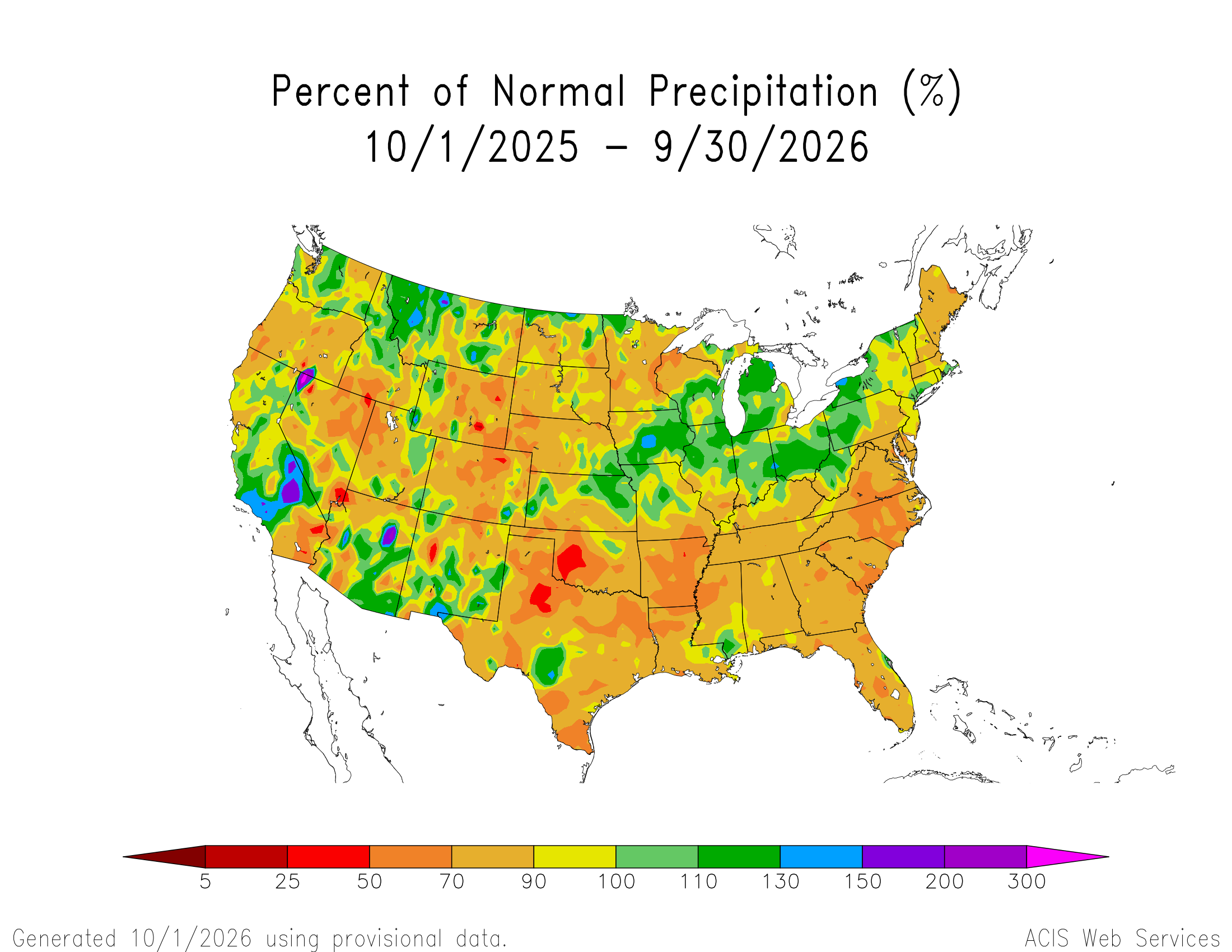
Precipitation was below normal but not terrible
The map below shows that much of the West—and the nation—experienced below-normal precipitation, but very few areas saw less than 50% of normal (red shading). Even though drought was the watchword in water year 2026, plenty of pockets in the West saw above-normal precipitation (green, blue, and purple colors).
Record warmth gripped most of the West
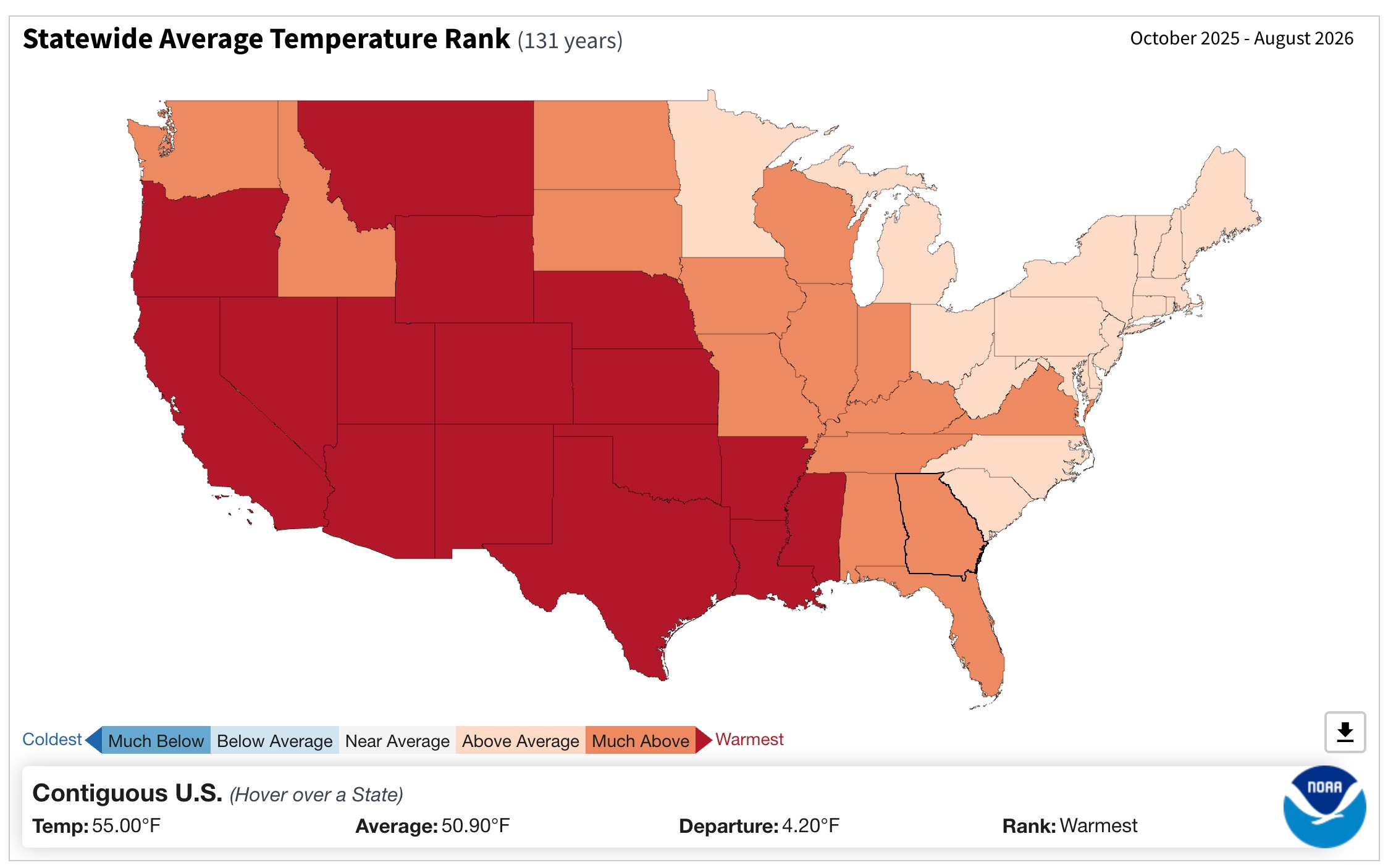
The big story for water year 2026 in the West was the heat. The map below shows the average temperature rank for the first 11 months of the water year (September data isn’t available yet). Through August, all Western states except Washington and Idaho were experiencing their warmest water year in 131 years of recordkeeping (in my previous post, I have a similar map showing county-level data).
Drought prevails across much of the nation
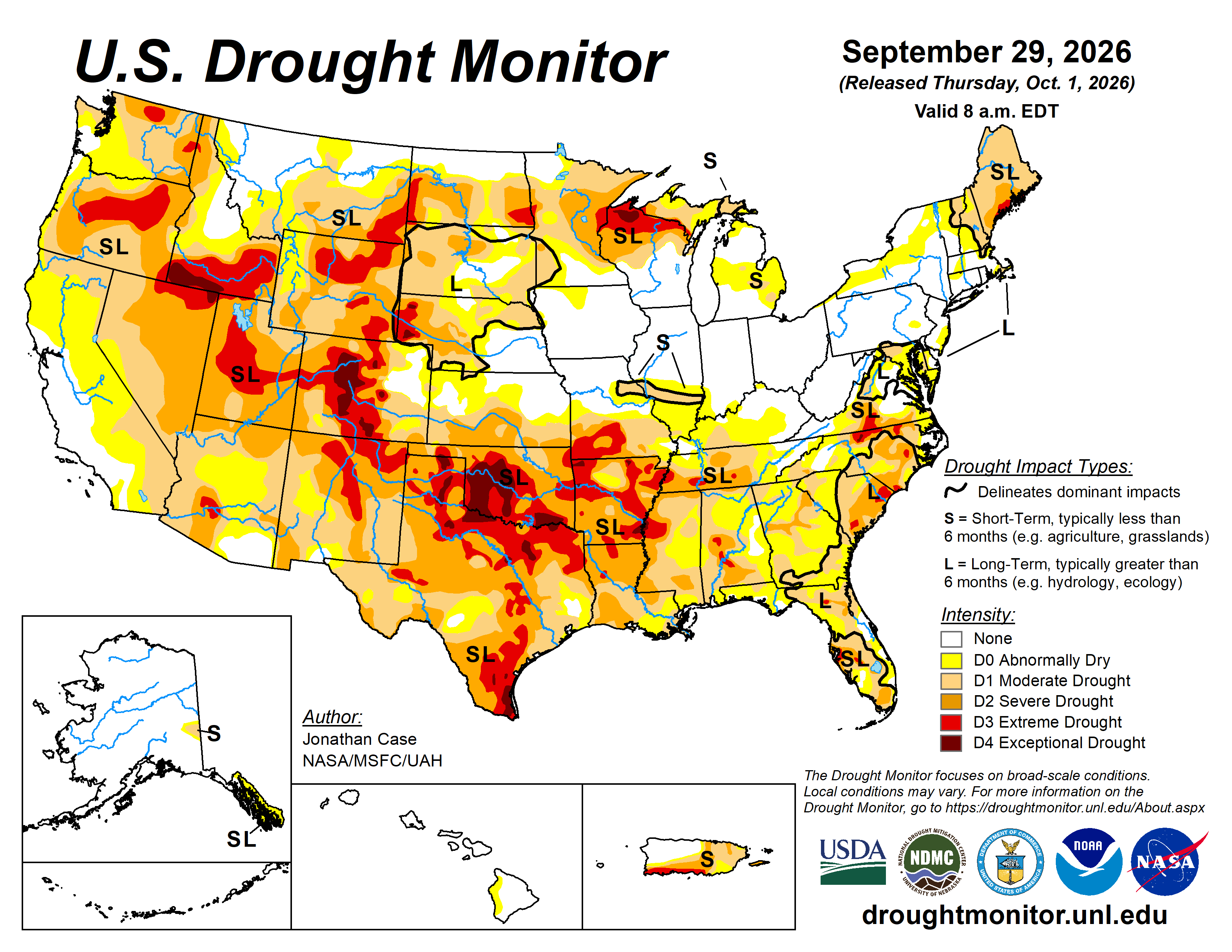
The latest weekly U.S. Drought Monitor—released today but depicting the situation on September 29—makes it clear that dry conditions are widespread in the nation. Out West, there’s plenty of severe, extreme, and exceptional drought west of the 100th Meridian and not much white space indicating an absence of drought.
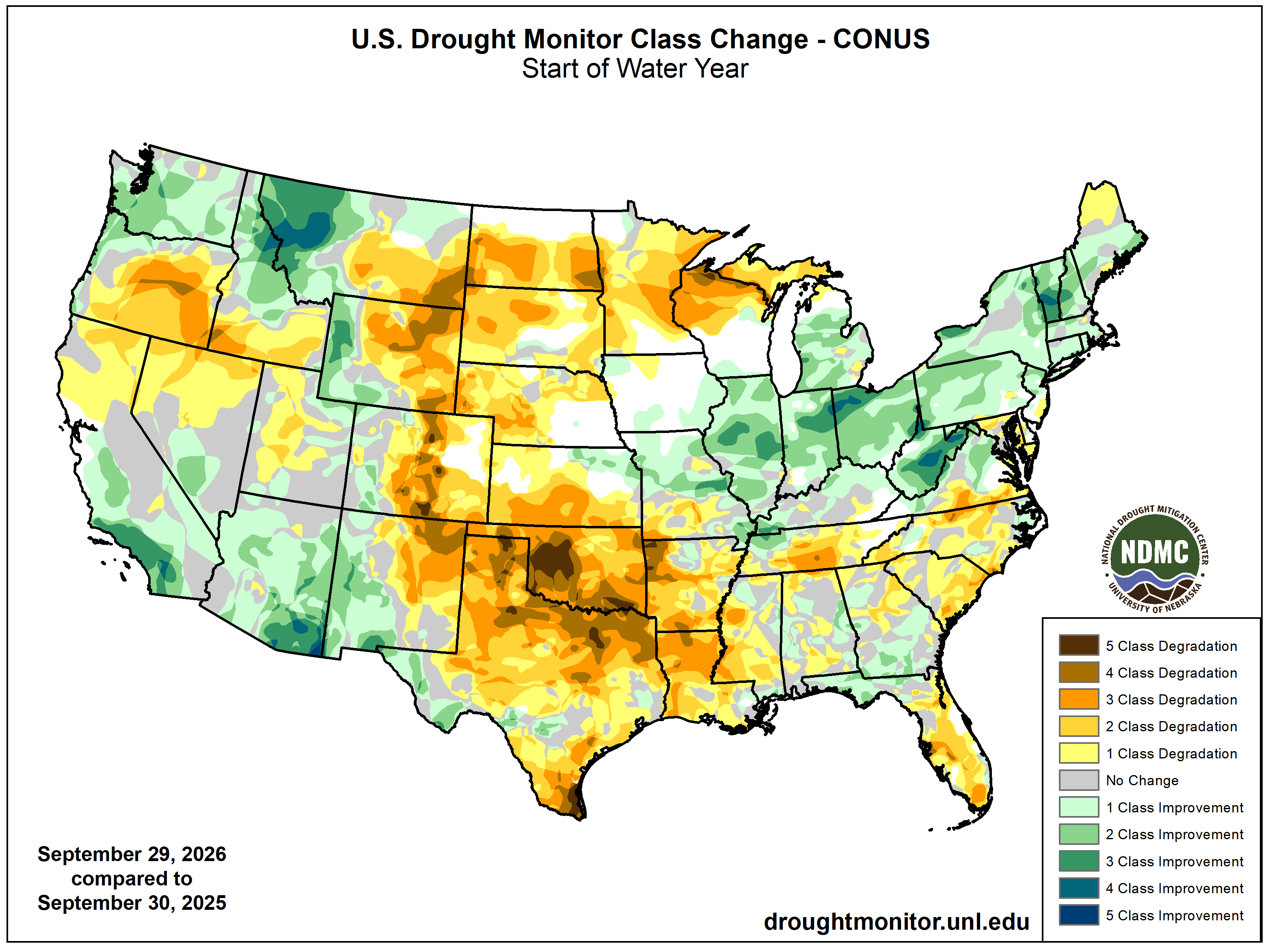
How did the U.S. Drought Monitor change during the last water year? The map below tells a complicated story in the West. In Oregon, Wyoming, and Colorado, drought conditions generally worsened, but some areas in each of those states actually improved. Drought also retreated significantly in places such as western Montana, southern California, and southeastern Arizona.
Will the 2027 water year start wet in the Southwest?
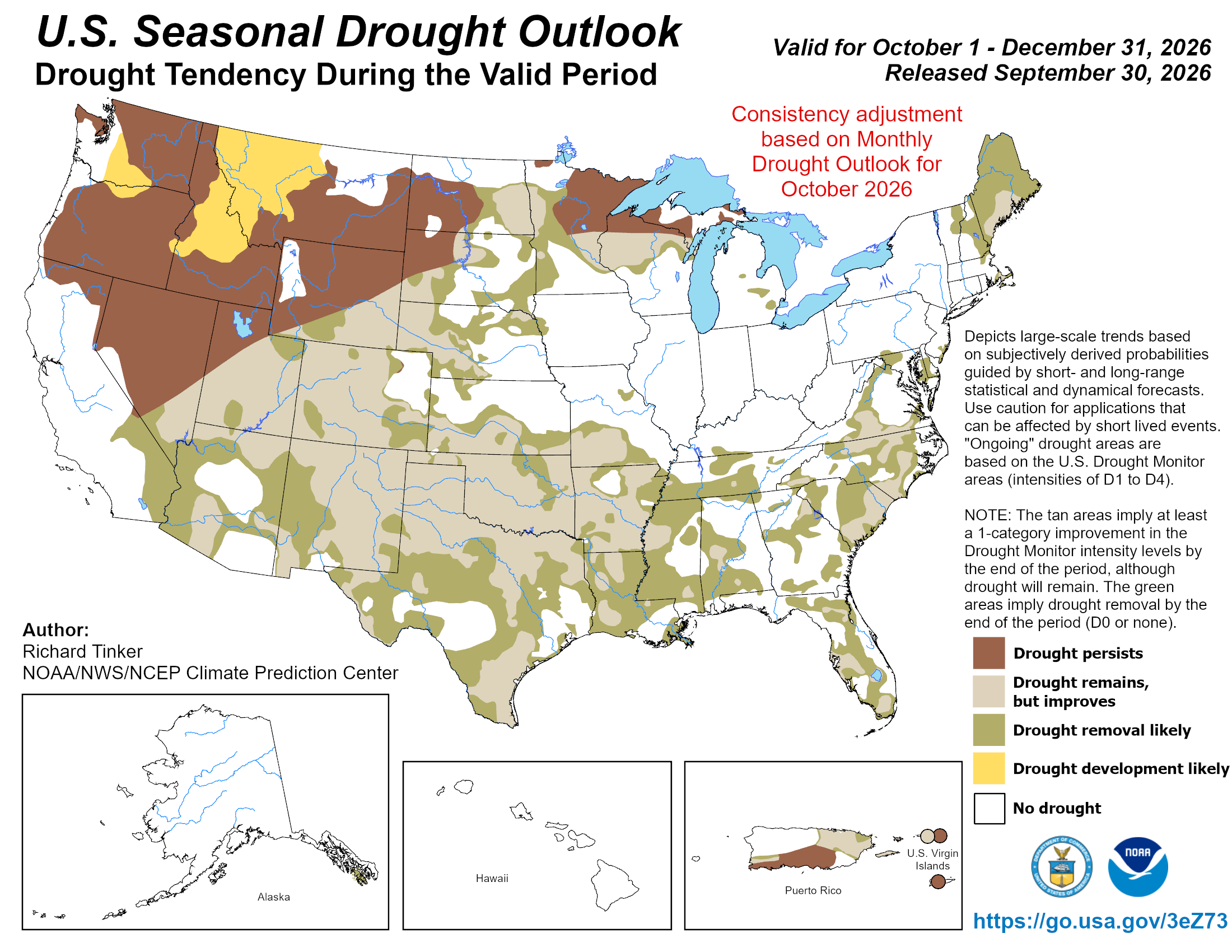
Looking ahead, the September 30 map below shows the U.S. Drought Monitor outlook through the end of the year. It’s important to remember these are essentially educated guesses: the fine print says the outlook “depicts large-scale trends based on subjectively derived probabilities guided by short- and long-range statistical and dynamical forecasts.”
In the southern tier states, conditions are expected to improve, and drought removal is likely in the locations shaded in green, consistent with El Niño’s typical influence on the region. But in the Pacific Northwest and surrounding areas, drought is projected to persist or develop over the next few months.
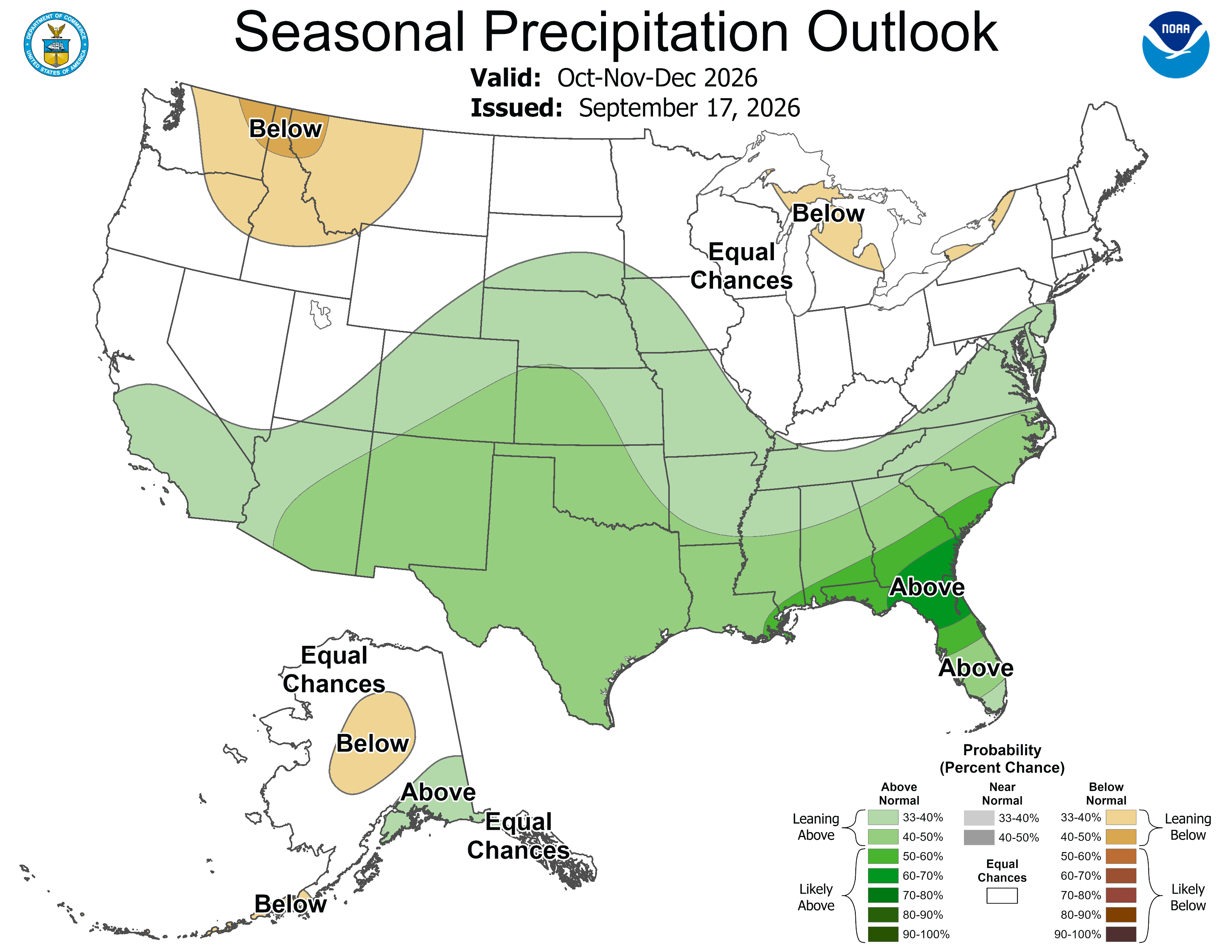
Another outlook I’ll throw into the mix comes from NOAA’s Climate Prediction Center. The September 17 map below shows the precipitation outlook from October through December and suggests wetter conditions across southern portions of the United States, consistent with the general pattern associated with El Niño events.
The truth is, no one knows exactly what the weather will be like a couple of months from now, or which ski resorts will get the most powder. As in so many realms, the uncertainty can make life both interesting and maddening.
Emotional hedge bets on snow
In my previous post, I discussed long-range predictions of winter snowfall and how I wished there were an online betting market where I could wager on the snowpack—so I could bet against a good season and at least make some money to soothe my sore feelings if we suffered another snow drought.
Strangely enough, on the very day I published my musings, Kalshi and The Weather Company announced a new partnership to expand weather prediction markets, so maybe I’ll get my chance to engage in emotional hedging. Hat tip to subscriber Austin Corona, a reporter at Grist, for alerting me to the news.
Kalshi, one of the leading prediction markets, says its climate and weather trading has grown 500% year over year and is “pacing toward $1.1 billion in annualized volume as traders look to hedge weather risks or trade on shifting climate trends.”
The Weather Company, which owns The Weather Channel and Weather Underground, will verify outcomes and also incorporate Kalshi’s probability data on weather.com.
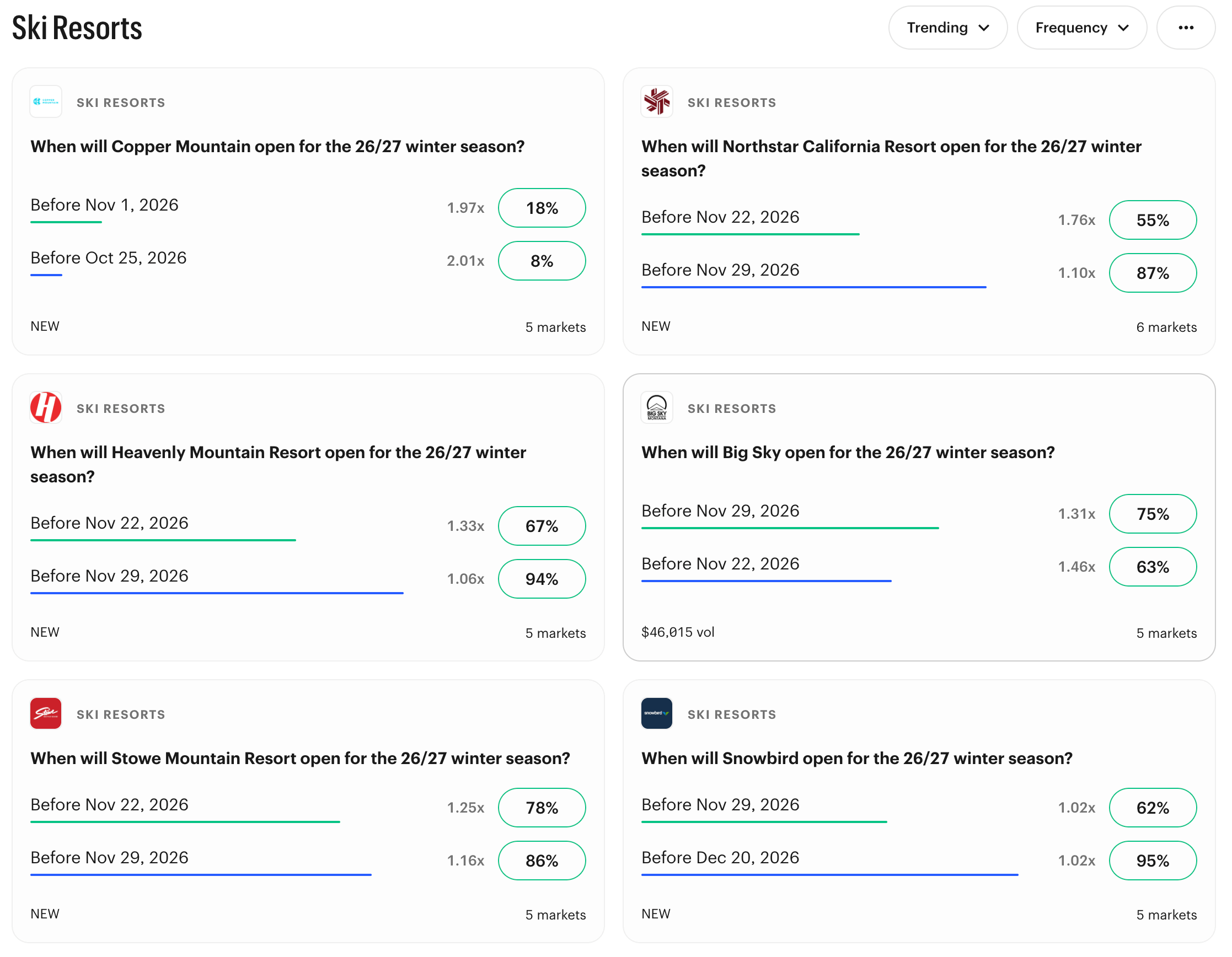
As shown below, Kalshi is now offering contracts on the opening dates for select North American ski resorts. The site also has markets on snowfall in a handful of cities. I’m curious whether they’ll offer any other snow-related action this winter, but I promise I won’t become a degenerate gambler.
The High Route podcast: snowpack, skiing, and stoicism
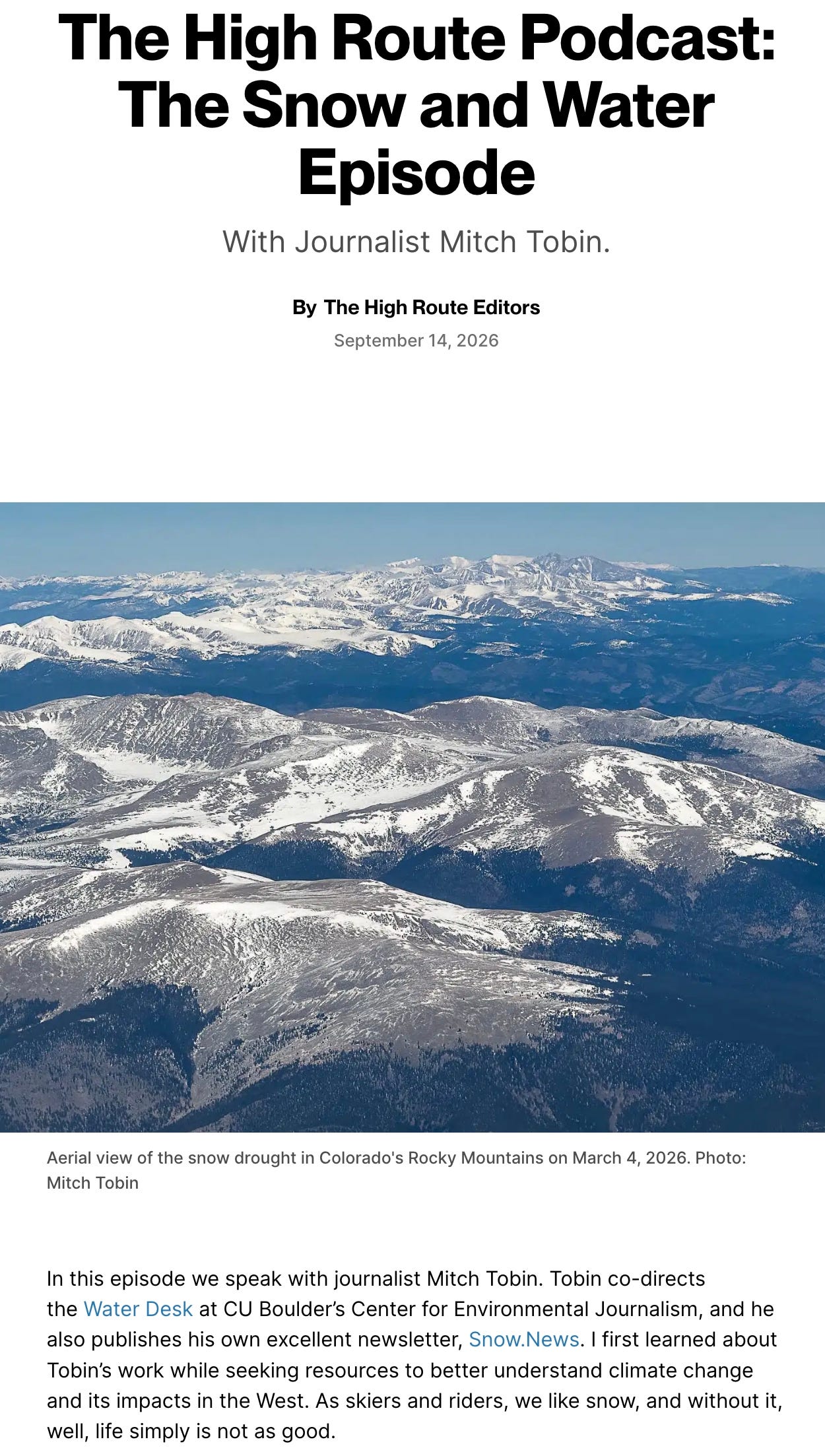
I was honored to appear on a recent episode of The High Route podcast, which focuses on backcountry snow sports.
I spoke with host Jason Albert for an hour about my coverage of snow science, last winter’s brutal snow drought, and what the future may hold for the West’s snowpack.
Albert and I also discussed how difficult last season was for snow sports enthusiasts and how snow lovers can cope with grim projections about this magical force of nature. When asked how I deal with reporting on depressing news, I told Albert:
I guess I’m a fan of stoic philosophy and trying to focus on things I can control, like my journalism and my reporting, and not worry about things that are completely beyond my control, like national politics, greenhouse gas emissions, and the weather.
Like many people, I dread hearing a recording of myself, and I’ve often joked that I have a voice for print and a face for radio. But I’m thrilled with how the episode went, and I’m excited to welcome many new subscribers who learned about snow.news through the podcast.
I’m actually eager to do more interviews about snow where I answer the questions—or at least try to—so if you have a podcast or you’re looking for a source to consult, please email me at mitchtobin@gmail.com.